Remote Work in 2030: Predicting the Hybrid Office
The evolution of work arrangements has been one of the most discussed topics in recent years, and as we look towards 2030, the landscape of the hybrid office appears poised for transformative changes. The traditional model of commuting to a fixed workplace five days a week has already given way to more flexible structures, and this shift is expected to deepen. Emerging technologies and evolving legal frameworks are set to redefine not only where work happens, but also how teams collaborate and how individuals balance their professional and personal lives. While the exact trajectory remains uncertain, several trends indicate that the hybrid office of 2030 will be more fluid, more virtual, and more personalised than what we see today.
In examining these potential developments, it is important to consider the interplay between technological innovation, policy changes, and cultural shifts. The concept of the office itself is being reimagined, with physical spaces transforming into hubs for collaboration and social interaction rather than mere locations for individual tasks. Simultaneously, virtual environments are becoming more sophisticated, promising to bridge the gap between remote and in-person work. Furthermore, the rise of digital nomad visas signals a growing acceptance of location-independent work, which could have significant implications for how companies structure their teams. This article explores these themes, focusing on the potential role of VR meetings, digital nomad visas, and AI scheduling tools in shaping the hybrid work models of the future.
It is crucial to note that these predictions are not deterministic. The evolution of hybrid work will depend on a multitude of factors, including economic conditions, technological breakthroughs, and societal preferences. By examining current trajectories, we can gain insights into possible future scenarios, but the outcomes will ultimately be shaped by the choices made by organisations, governments, and individuals. With that in mind, let us delve into the key elements that might define the hybrid office in 2030.
The Evolving Role of Physical and Virtual Spaces
The physical office of 2030 is unlikely to resemble today’s rows of desks. Instead, it might be redesigned as a flexible environment that prioritises collaborative spaces, quiet zones, and social areas. Companies may adopt a hub-and-spoke model, with smaller satellite offices closer to employees’ homes, reducing commute times and environmental impact. Alternatively, some organisations might completely abandon permanent offices, relying on co-working spaces or on-demand meeting venues. The key is that the office will no longer be the default place for individual work; it will become a destination for activities that require physical presence, such as brainstorming sessions, team-building events, or client meetings.
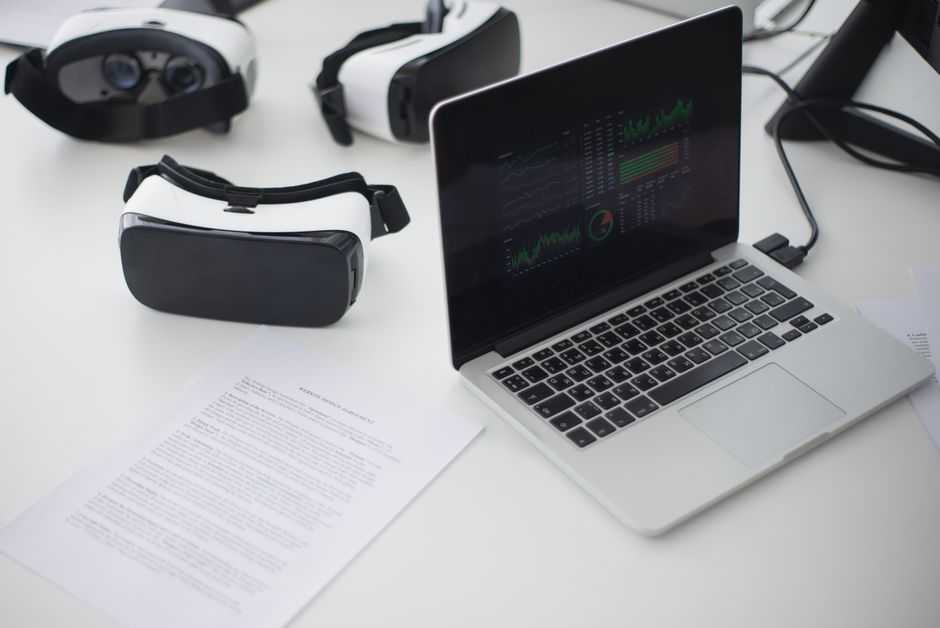
On the virtual side, VR meetings are expected to play a central role in bridging the gap between remote and in-person collaboration. While current video conferencing tools have become standard, they still lack a sense of presence and spatial awareness. VR has the potential to create immersive environments where participants feel as though they are in the same room, with the ability to read body language, use gestures, and manipulate virtual objects. This could be particularly beneficial for design reviews, medical consultations, or any task that relies on visual and spatial understanding. However, the adoption of VR will depend on the development of comfortable, affordable headsets and the integration of VR systems with existing workflows. Furthermore, the quality of the VR experience will play a crucial role; if the technology causes discomfort or cybersickness, its uptake may be hindered.
Beyond VR, other virtual tools such as augmented reality (AR) and holographic displays might also emerge, offering different ways to blend digital and physical interactions. The choice of technology will likely vary by industry and use case, and organisations may adopt a mix of solutions rather than a single standard. It is also important to consider the psychological and social aspects of virtual work. While VR can simulate presence, it may still lack the subtle cues that foster trust and camaraderie. Consequently, hybrid teams might need to design intentional rituals for virtual interaction, such as periodic retreats or socially interactive digital spaces.
Digital Nomad Visas and Global Talent
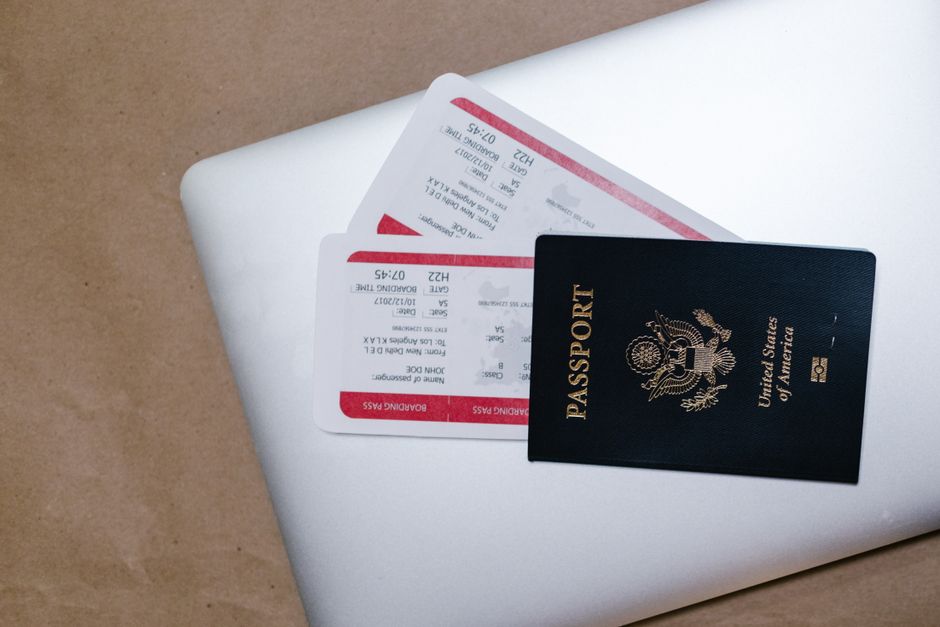
The rise of digital nomad visas is another factor that could reshape the hybrid office. Various countries, including several in Europe, Latin America, and Asia, have introduced visa programmes that allow remote workers to reside and work legally within their borders. These visas typically require proof of income, health insurance, and a clean criminal record, and they often grant access to local amenities and tax benefits. As of now, the United Kingdom does not have a dedicated digital nomad visa, but it might consider similar schemes in response to global competition for talent. If such policies become more widespread, they could enable employees to work from any location for extended periods, thereby increasing the pool of global talent available to companies.
The availability of digital nomad visas could lead to a more distributed workforce, with teams spread across time zones and cultures. This would necessitate robust communication protocols and asynchronous work practices. Companies might need to develop guidelines for overlapping work hours to facilitate real-time collaboration, while also respecting the autonomy of remote employees. Moreover, the legal and administrative complexities of employing international remote workers would require careful consideration, including tax compliance, employment law, and data protection. The hybrid office of 2030 may, therefore, be more legally diverse, with experts in global mobility and compliance becoming essential.
The influence of digital nomad visas also extends to infrastructure: locations with reliable internet, coworking spaces, and affordable living costs are likely to become popular hubs. This could have economic implications, as these regions see an influx of spending and talent, while traditional business districts might experience a decline. For employees, the opportunity to work from different countries could enhance work-life balance and cultural exposure, but it might also introduce challenges such as isolation or difficulty in maintaining relationships with colleagues. Ultimately, the success of a globally distributed workforce depends on an organisation’s ability to foster inclusion and belonging across distances.
AI Scheduling and the Rhythm of Work
AI scheduling tools are another area that could profoundly affect hybrid work patterns. These tools can analyse a variety of data, such as employees’ preferences, team availability, and project deadlines, to optimise meeting times and work schedules. They might also consider personal factors like circadian rhythms, childcare responsibilities, or energy levels, thereby promoting individual well-being and productivity. For example, an AI scheduler could propose that an employee starts their day later on certain days without conflicting with collaborative sessions. This level of personalisation aims to create a schedule that aligns both with organisational needs and personal rhythms.
One of the main benefits of AI scheduling is its potential to reduce the cognitive load associated with coordinating meetings. In a hybrid environment, finding a suitable time that works for both remote and in-office participants can be challenging, especially across time zones. AI can suggest optimal slots by considering various constraints, automatically rescheduling if necessary. This can lead to more balanced workloads and allow employees to focus on their tasks rather than logistics. However, the use of AI scheduling also raises questions about privacy and autonomy. Employees might be uncomfortable with AI tracking their activities or influencing their daily routines. Transparency in the algorithms and allowing human control over final decisions are likely to be essential for acceptance.
Moreover, AI scheduling could potentially lead to a reinterpretation of working hours. Instead of a fixed 9-to-5 structure, work might become more fluid, with employees having a say in their start and end times, as long as they meet deadlines and participate in required meetings. This flexibility could be particularly appealing to individuals with caregiving responsibilities or those who prefer to work at different times of the day. In the context of the United Kingdom, where there is growing attention to flexible working rights, such tools might support policies that give employees greater control over their schedules. Nonetheless, implementing AI scheduling successfully requires a thoughtful approach to change management, ensuring that employees understand the benefits and are not overwhelmed by constant schedule changes.
Implications for Management and Collaboration
The trends towards VR, digital nomad visas, and AI scheduling will inevitably affect managerial practices. Managers in the hybrid office of 2030 will need to focus on outcomes rather than hours spent working. This shift requires clear communication of goals and expectations, as well as trust in employees to manage their time effectively. Performance evaluation may rely more on output and achievements, rather than visibility, which could diminish biases related to presence at the office. Nevertheless, there is a risk that remote employees might be overlooked for promotions or opportunities if informal interactions happen in the physical office. To mitigate this, organisations might implement policies that ensure equal access to networking and mentorship, regardless of location.
Collaboration tools are likely to evolve beyond simple messaging and document sharing, integrating with AI and VR to provide a seamless virtual workspace. For instance, an AI assistant could summarise meeting discussions, assign action items, and provide relevant information during a VR session. Such tools could enhance productivity but also raise concerns about data security and overload. It is also plausible that the notion of a “virtual break room” emerges, where employees can casually interact in a virtual space, mimicking the impromptu conversations that happen in physical offices. These interactions are valuable for building relationships and fostering a sense of belonging.
The legal and regulatory landscape will need to adapt to the new forms of work. Employment laws, tax regulations, and health and safety requirements might be revised to accommodate remote workers, particularly those who are internationally mobile. The UK government has already taken steps to introduce a right to request flexible working, and further adjustments might be made to support the hybrid model. It is also important to consider the impact on local communities: if large numbers of employees work remotely, there could be effects on transportation, urban planning, and the hospitality industry. Policymakers will need to balance the benefits of flexibility with the potential social consequences.
Challenges and Considerations for the Hybrid Office
While the potential benefits of a more virtual and flexible working environment are significant, there are also considerable challenges. One of the primary concerns is the erosion of organisational culture. Culture is often built through shared experiences, rituals, and spontaneous interactions, which are more difficult to replicate in a remote setting. Companies may need to invest in virtual team-building activities, periodic gatherings, or consistent communications to maintain a cohesive culture. Additionally, the digital divide remains a critical issue: not all employees have access to high-speed internet or appropriate workspaces at home. Without addressing these inequalities, hybrid work could exacerbate disparities in career progression and well-being.
Mental health is another arena where hybrid work might have unintended effects. Some individuals may thrive with greater autonomy, while others experience loneliness or difficulties in disconnecting from work. Employers are likely to increase their focus on well-being initiatives, offering mental health support and encouraging boundaries between work and personal life. The design of virtual environments also plays a role; for instance, VR meetings could be optimised to reduce fatigue and eye strain, making prolonged use more comfortable. Nevertheless, the effectiveness of such measures will depend on how they are implemented and may vary from person to person.
Security and data privacy are additional challenges in a hybrid setup. Remote work often involves the use of personal devices and networks, which can expose sensitive information to risks. Zero-trust security models and robust authentication methods will be essential to safeguard company data. In the context of international remote work, compliance with data protection laws, such as the GDPR, adds another layer of complexity. Organisations will need to develop comprehensive policies that address these issues while respecting employees’ privacy rights.
Finally, the sustainability of the hybrid office is a consideration that aligns with broader environmental goals. Reduced commuting can lower carbon emissions, and having smaller offices can cut energy consumption. However, the energy costs of running data centres for VR and AI services could offset some of these gains. Thus, it is important for companies to adopt energy-efficient technologies and consider the environmental footprint of their digital infrastructure. By taking a holistic approach, the hybrid office of 2030 could contribute to a more sustainable way of working.
In summary, the hybrid office of 2030 is likely to be shaped by a combination of technological advancements, policy developments, and cultural shifts. VR meetings, digital nomad visas, and AI scheduling tools each present opportunities for increasing flexibility, collaboration, and personalisation, but they also bring challenges that need to be addressed. The physical office may evolve into a space for focused collaboration, while virtual environments enable global connectivity. Digital nomad visas could broaden the talent pool, and AI scheduling could optimise work rhythms, yet these changes require careful management to ensure inclusivity and fairness.
Ultimately, the trajectory of hybrid work will be determined by the choices that businesses, governments, and individuals make in the coming years. There is no guaranteed outcome, and the future will unfold through trial and adaptation. For now, exploring these possibilities offers valuable insights for preparing for a world where work is not a place you go, but an activity you do, supported by a network of people and tools that transcend physical boundaries. As we move towards 2030, continuous evaluation and learning will be essential in shaping a hybrid office that is both productive and humane.