Zero Waste Kitchen: Simple Swaps for Plastic-Free Living
In recent years, the movement towards reducing household waste has gained significant momentum, particularly in the context of kitchen practices. The kitchen is often the epicenter of daily consumption, where packaging and food waste accumulate rapidly. For those exploring ways to minimize their environmental footprint, understanding practical approaches to reducing plastic usage is a valuable starting point. This article examines several strategies that can be integrated into a typical kitchen routine, focusing on reusable containers, compost systems, and bulk purchasing methods. It aims to provide an informative overview of how these practices can be implemented, without making definitive claims about their overall impact.
The concept of a zero waste kitchen does not imply an absolute absence of waste, but rather a conscious effort to reduce what is sent to landfill and to diminish reliance on single-use plastics. Each household is unique, and the adoption of these practices can vary based on individual circumstances, available resources, and local infrastructure. By exploring the principles behind reusable containers, composting, and bulk buying, individuals can make informed decisions that align with their values and practical needs. This article offers a neutral perspective on these methods, highlighting their potential benefits and considerations.
Understanding the Role of Reusable Containers
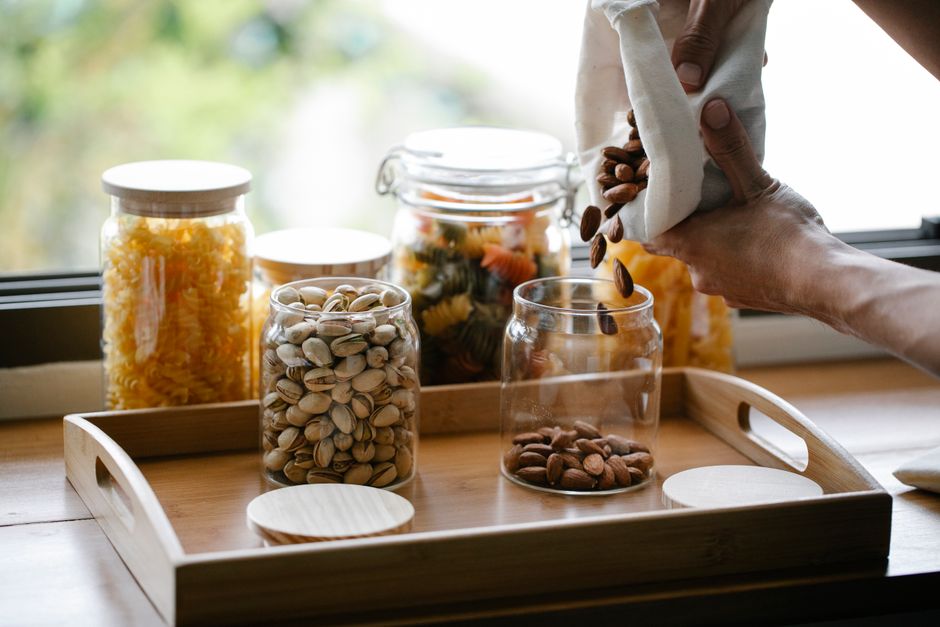
Reusable containers serve as a fundamental alternative to single-use plastic bags, wraps, and disposable food storage items. In a kitchen setting, these containers can be used for storing leftovers, packing lunches, or preserving ingredients. Common materials include glass, stainless steel, silicone, and certain durable plastics that are designed for repeated use. Each material has distinct properties in terms of durability, weight, and suitability for different food types. For instance, glass containers are transparent and do not absorb odors, while stainless steel options are lightweight and resistant to staining.
When considering the transition to reusable containers, it is important to assess the current inventory and identify areas where disposables are most frequently used. Replacing these items gradually can reduce the initial expense and allow for a more thoughtful selection. It is also essential to maintain and care for these containers properly to ensure their longevity. Many reusable containers are dishwasher-safe, though some materials may require hand washing to preserve their integrity. Over time, the use of reusable containers can contribute to a reduction in household plastic consumption, though the extent of this reduction depends on individual habits and the lifespan of the containers.
In addition to storage, reusable containers can also be used for portioning meals and organizing the refrigerator, which may help in reducing food waste. By keeping ingredients visible and accessible, these containers can support better meal planning and reduce the likelihood of forgotten items spoiling. Furthermore, the use of glass or metal containers in place of plastic wrap or aluminum foil can be a straightforward swap in meal preparation routines. While the initial investment may be higher than purchasing a roll of disposable wrap, the long-term usage of reusable containers often proves more economical over time, especially as they can serve multiple purposes.
Implementing a Home Compost System
Composting is a process that transforms organic waste, such as fruit and vegetable peels, coffee grounds, and eggshells, into a nutrient-rich soil amendment. In the context of a kitchen, starting a compost bin can significantly reduce the amount of organic material sent to landfill, where it would otherwise decompose anaerobically and release methane. There are several methods of composting suitable for home environments, including countertop bins, outdoor compost piles, and worm composting systems. Each approach has distinct requirements in terms of space, maintenance, and time for the compost to mature.
For households with limited outdoor space, a countertop compost bin is a convenient option for collecting daily food scraps. These bins often feature charcoal filters to minimize odors and can be emptied regularly into a larger outdoor bin or municipal collection service. In the United Kingdom, many local councils provide food waste collection services, which can complement home composting efforts. For those with a garden, an outdoor compost bin allows for a larger volume of waste and can produce compost suitable for enriching soil in flower beds or vegetable patches.
Another avenue is vermicomposting, which uses worms to break down organic matter. This method can be practiced indoors, making it accessible to flat dwellers. The resulting vermicompost is highly beneficial for plants, providing a concentrated source of nutrients. While each composting method has its own learning curve, they all contribute to diverting waste from landfill and creating a valuable end product. It is advisable to research local regulations and available resources to determine the most suitable approach for one’s circumstances. Composting is a process that requires attention to balance, as the mix of green nitrogen-rich materials and brown carbon-rich materials influences the decomposition rate and odor profile.
Exploring Bulk Buying for Plastic Reduction
Bulk buying, or purchasing items in large quantities without packaging, is a practice that can reduce plastic waste from food packaging. This approach involves buying products such as grains, pasta, beans, nuts, and spices from dispensers, often using one’s own reusable containers or paper bags. Many zero waste shops and certain supermarkets in the United Kingdom offer a bulk section where customers can weigh and fill their containers. This method can be particularly effective for reducing the amount of single-use plastic waste generated from everyday staples.
To incorporate bulk buying into a kitchen routine, individuals first need to identify which products are available in bulk in their area. This may involve visiting local zero waste stores or checking if regular supermarkets provide such facilities. A practical step is to carry a set of lightweight cloth bags or reusable glass jars to the store, weighing them before filling to ensure accurate pricing. Additionally, the act of buying only the needed quantity can help in managing food stock and reducing waste due to over-purchasing.
The potential advantages of bulk buying extend beyond waste reduction. It can also offer financial savings when purchasing larger quantities, though this depends on the price per unit and the shelf life of the items. It is important to store bulk items properly to maintain freshness, using airtight containers to protect against moisture and pests. Bulk buying encourages a more mindful approach to food consumption, as it requires planning and awareness of kitchen inventory. While the availability and convenience of bulk purchasing may vary, it represents a viable option for those seeking to lower their plastic footprint.
Integrating These Practices into Daily Life
Adopting a zero waste approach in the kitchen is not an all-or-nothing endeavor. It involves gradual changes that can be tailored to fit individual lifestyles and values. One effective strategy is to start with one area, such as replacing single-use plastic wrap with beeswax wraps or silicone lids, and then expand to other aspects like using cloth produce bags or glass jars for pantry staples. Setting realistic goals and celebrating small successes can foster a sustainable habit.
It is also beneficial to consider the supply chain and the life cycle of products. For instance, using reusable containers may require additional water and energy for washing, which has its own environmental impact. Thus, a comprehensive view of sustainability involves balancing various factors, including carbon footprint, water usage, and waste generation. The choice to switch to reusable items should be based on an assessment of the overall impact rather than a singular focus on plastic avoidance.
Community involvement can further enhance the transition. Participating in local zero waste groups or exchanging tips with neighbors can provide practical insights and emotional support. Additionally, staying informed about local regulations and available recycling and composting facilities ensures that waste management efforts are effective. Ultimately, the goal is to create a kitchen environment that minimizes waste in a way that is practical and maintainable for the long term.
Considering the Broader Context
While the focus of this article is on kitchen-specific practices, it is essential to recognize that plastic waste originates from a complex system of production, consumption, and disposal. Individual actions, such as using reusable containers and composting, are part of a larger movement towards circular economies and sustainable living. These practices can influence purchasing decisions and encourage manufacturers to offer more environmentally friendly packaging options. However, systemic change requires collective action from consumers, businesses, and governments.
In the United Kingdom, there are initiatives aimed at reducing plastic waste, such as the plastic packaging tax and extended producer responsibility schemes. These policies may have indirect effects on the availability and cost of packaged goods, potentially making zero waste options more accessible. It is important for individuals to stay informed about these developments and to engage with them constructively.
Moreover, the effectiveness of zero waste practices can vary based on regional infrastructure. For example, areas with robust recycling programs may have different considerations than those without. Thus, the adoption of these practices should be context-dependent, taking into account local facilities and services. By approaching the zero waste kitchen with flexibility and openness, individuals can contribute to a culture of mindful consumption without feeling overwhelmed.
In conclusion, the journey towards a plastic-free kitchen involves a thoughtful integration of reusable containers, composting, and bulk buying, among other practices. It is a process that requires patience and adaptation, as each household finds its unique balance. By focusing on the process rather than perfection, these changes can become lasting parts of daily life, contributing to a more sustainable future.